I Built a 9-Person Panel of TV Characters to Kill My Bad Ideas
Before I build anything, I run it through the Fellowship: nine fictional characters from shows I actually watch, each playing a role that matches their on-screen expertise. It kills bad ideas faster than any framework I've tried.
I've built a lot of things nobody asked for.
Not because I skip the research. I read the subreddits, look at the search volume, talk to people. The problem is what happens after that. I start building. And once I start, I don't stop. I'm three weeks into architecture before I've asked whether anyone would pay for it.
If you're wired the same way -- if your default is to build first and validate later -- this is for you. The research phase gives you enough signal to convince yourself, and then the builder takes over. That's not a character flaw. It's just a momentum problem that needs a specific fix.
So I built a council to step in before that happens.
What the Fellowship Is
The Fellowship is nine people who evaluate every idea I have before I touch a line of code or spend a dollar. They're fictional characters from shows I actually watch, each playing a role that matches their expertise on screen.
I run it as a Claude Code skill. When I have an idea, I type /council <idea> and they tear it apart.
 | Jack Donaghy — Marketing (30 Rock) Is anyone searching for this right now? What's the keyword volume? |
 | Saul Goodman — Legal (Better Call Saul) Who sues you, and why? What's the liability angle nobody else sees? |
 | Dwight Schrute — Sales (The Office) Name the buyer. What is their title, their budget, their urgency? How do you get in front of them? |
 | Gilfoyle — Engineering (Silicon Valley) Can you actually build this? What breaks at scale? What's the moat? |
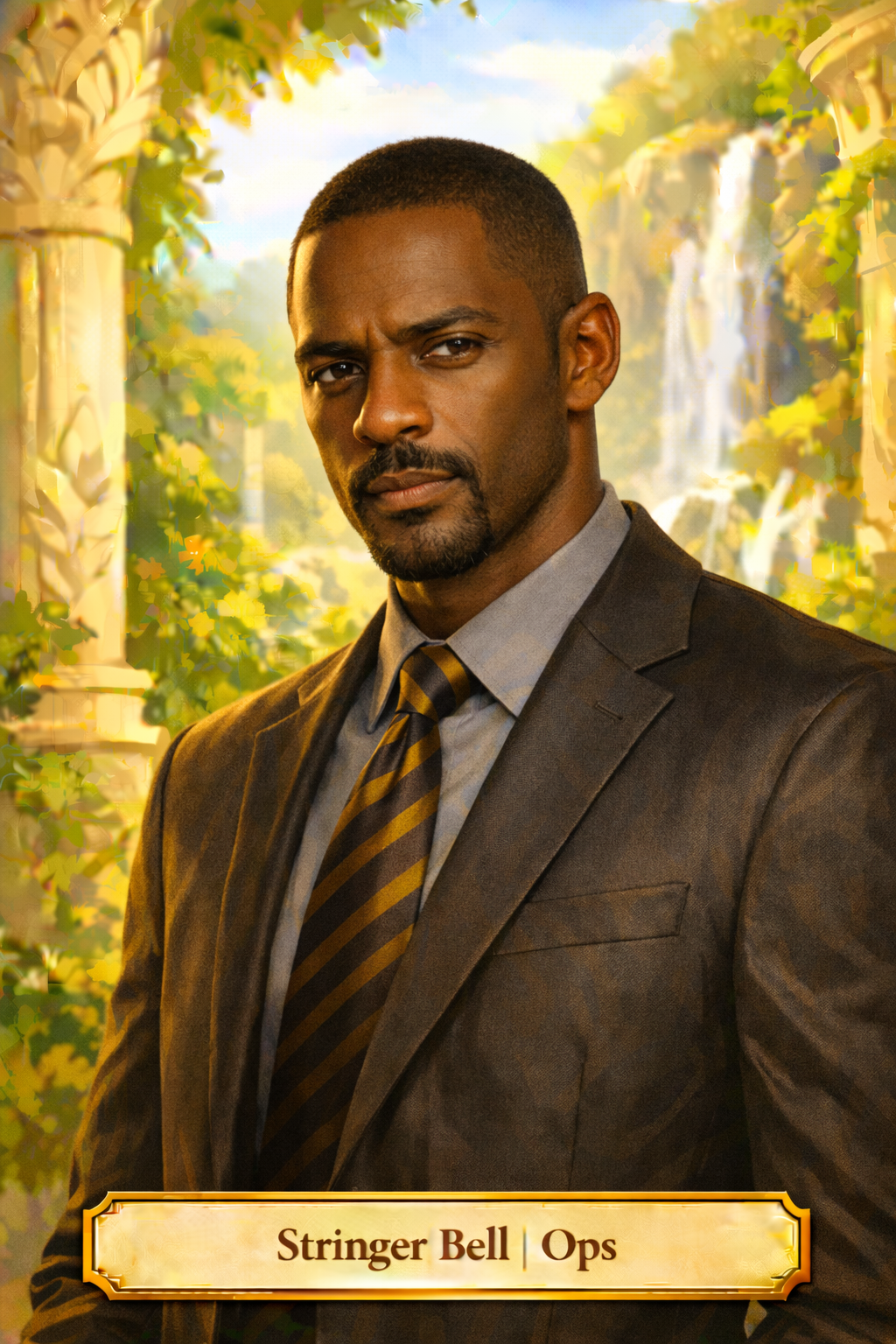 | Stringer Bell — Ops (The Wire) What does Monday morning look like? How many hours a week does this take? |
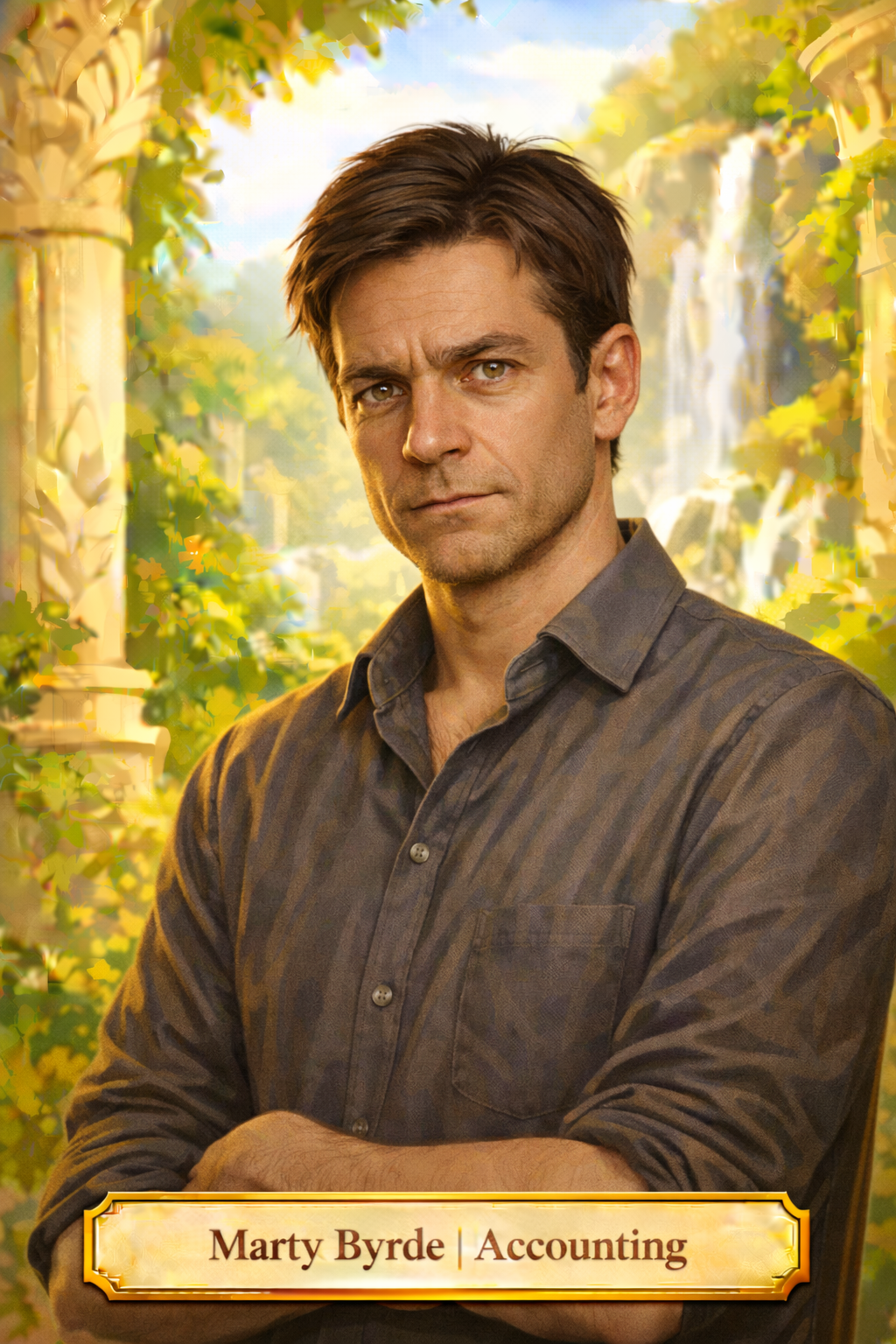 | Marty Byrde — Accounting (Ozark) Where does the money actually go? What are the hidden costs? |
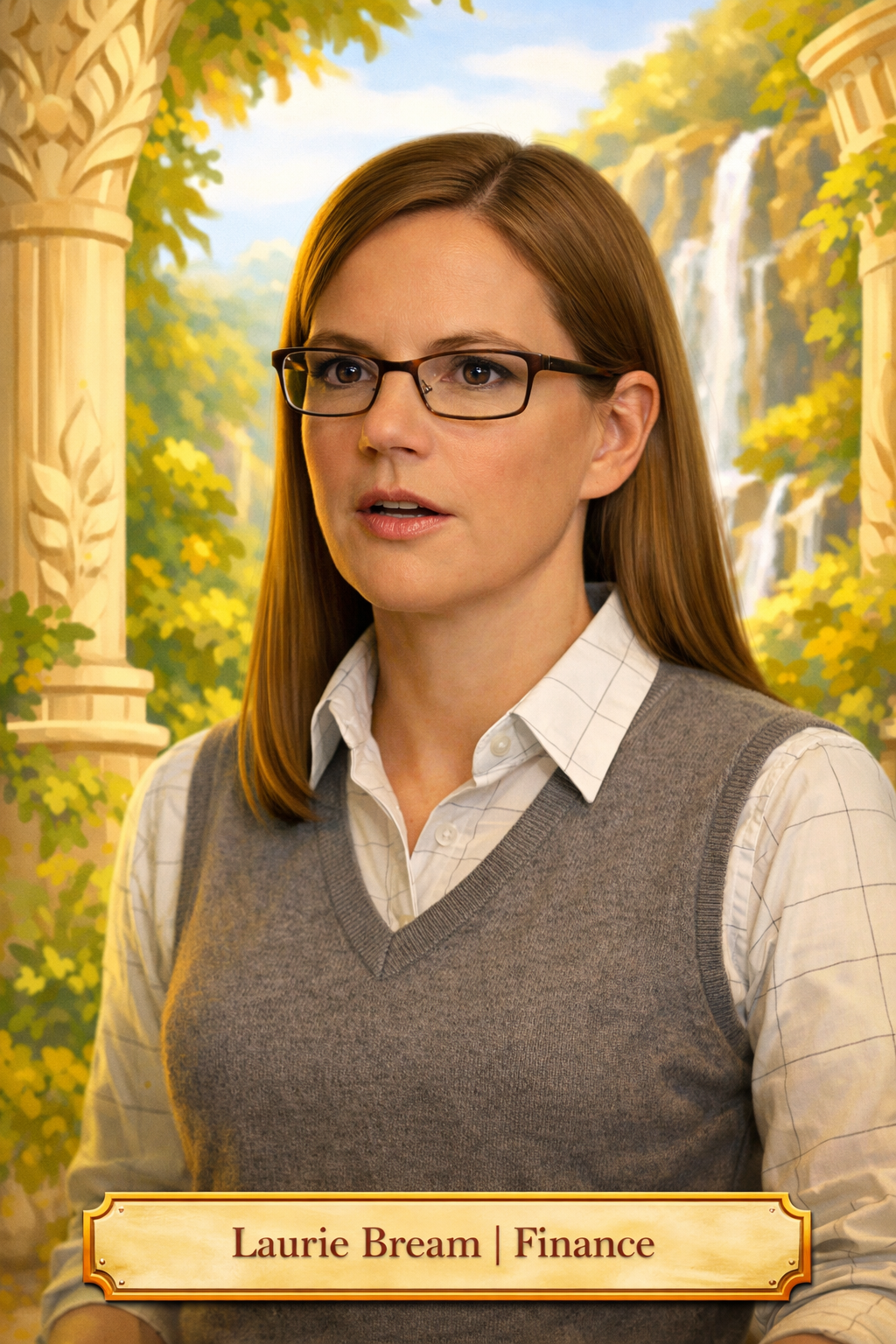 | Laurie Bream — Finance (Silicon Valley) What's the CAC/LTV? Path to break-even? Does this compound? |
 | Dennis Reynolds — Product (Always Sunny) What do people actually want versus what they say they want? |
 | Ben Wyatt — Growth (Parks and Rec) Show me the numbers. Retention curve? Referral loop? |
The Rules
Each council member scores the idea from 1 to 10 on a single question: are people actively looking for this right now? Not in theory. Not someday. Right now.
They also have to name a specific channel where buyers exist. Not "LinkedIn." A specific LinkedIn group. Not "search." A specific search term with real volume. If they can't name it, that's a signal.
Average below 6: the idea is killed. Average 6 or above: it survives, and the council produces a three-step action plan for that Monday.
Members argue. They interrupt each other. Dwight doesn't care what Laurie thinks about the financial model until he knows someone will write a check. Gilfoyle will tell you your architecture is a catastrophe while Marty is still asking where the margin actually comes from.
No softening. No "it depends." Pick a position.
Why Fictional Characters
A few reasons this works better than I expected.
First, the characters have defined viewpoints I can't easily override. When I ask myself "what would a CFO say about this?" I unconsciously select the answer I want to hear. When the character is Laurie Bream, she answers in a specific way that I can't manipulate because I know exactly how she thinks. She models everything. She kills ideas that don't compound. That's fixed.
Second, they argue differently than I expect, which is the point. Saul's legal concern about a simple SaaS idea is almost never the thing I was worried about. Dennis's product insight about what users actually want versus what they say they want consistently surfaces something I missed. The friction is real.
Third, it's fast. A full council evaluation takes about two minutes to read. A traditional market research exercise takes days and produces a document that still tells me what I want to hear.
Fourth -- and I'll just say it -- it's fun. Getting a new idea torn apart by Saul Goodman and Dwight Schrute simultaneously is genuinely entertaining. That's not nothing. If the process is enjoyable, you actually use it. And if you're a builder who struggles to slow down, the process has to be enjoyable or it won't happen at all.
What It's Killed
Ideas I was excited about that didn't survive:
Listing on the QBO App Marketplace. $300/month to be listed. Sounds like a distribution channel until Dwight asks you to name the buyer and you realize you can't name a single person who would actually sign up. Killed before I paid the first month.
AI red-teaming bounties. I spent time on this. Six attempts, zero payouts. Ben asked for the conversion rate before I went further. The math didn't work. Closed.
Ideas that survived and I actually built: the compliance screening API now live on RapidAPI, a few consulting packages that matched real search demand Jack identified.
The Underlying Pattern
Every idea I've killed would have taken 40 to 200 hours to build. At a minimum. The council takes two minutes.
That math is the whole argument. If the council is right even half the time, it's saved hundreds of hours this year.
The deeper thing is: I stopped trusting my own enthusiasm as a signal. Enthusiasm is not demand. The council is a filter that separates the two. When an idea survives the council, I feel differently about building it because nine distinct lenses looked at it and found real buyers, real channels, real unit economics that make sense.
When an idea doesn't survive, I feel relieved. Better to know now.
If You Want to Build One
The council is a Claude Code skill, which means it lives in a file at ~/.claude/skills/council/ and activates when I type /council from any project directory.
The mechanics are simple: YAML frontmatter that describes when to trigger the skill, a table defining each council member's role and lens, scoring rules, and an output format. The whole thing is under 60 lines.
The harder part is picking the right members. Each role needs to ask a genuinely different question that you personally tend to skip. Marketing and sales sound similar but they're not -- Jack wants search volume and buyer intent signals, Dwight wants a named buyer with a title and a budget. Finance and accounting sound similar but Marty wants to understand cost structure and Laurie wants to know if the business compounds.
If two members would give you the same answer, replace one of them.
The fictional character framing matters more than I expected. Pick people from things you've actually watched. The more specific your mental model of how they think, the harder it is to put your own answer in their mouth.
The Fellowship is not a methodology. It's a habit. Every idea, every time, before a single hour of work. The cost of the habit is two minutes. The benefit is not building another thing nobody asked for.
If you want to run your own idea through a structured evaluation -- or just want to talk through whether something has legs -- book a session.
About the Author
Founder & Principal Consultant
Josh helps SMBs implement AI and analytics that drive measurable outcomes. With experience building data products and scaling analytics infrastructure, he focuses on practical, cost-effective solutions that deliver ROI within months, not years.
Want this for your own business?
The AI Opportunity Audit is a fixed-fee review of your workflows ($2,500 for one workflow, $5,000 for a multi-workflow operation): an AI readiness scorecard, prioritized automation candidates with build estimates and ROI math, and a 90-day rollout plan.
Scoped on a short fit call, then a fixed-fee proposal — no retainer.